
Casting and Surface Finishing
Jewelry Casting & Polishing Capabilities
From approved designs to refined metal components, Luora supports the casting and polishing stages of custom jewelry production with close attention to form, detail, surface character, and production consistency.
Casting establishes the physical foundation of a jewelry piece. Polishing then refines that foundation without losing the proportions, textures, edges, and symbolic details that give the design its identity.
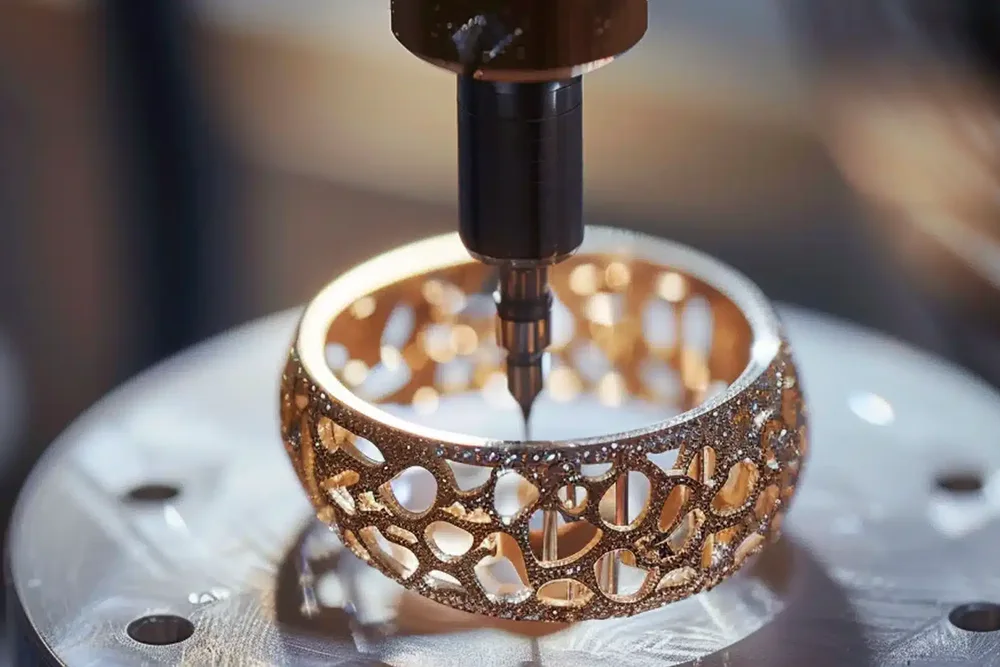
Translating Approved Designs into Refined Metal Forms
Turning an approved design into a refined metal component requires more than creating a recognizable shape. The cast piece must retain the intended proportions, preserve meaningful details, and leave important working areas ready for gemstone setting, assembly, or further finishing.
Within Luora’s custom jewelry development process, casting and polishing form the connection between an approved design and a component prepared for the next stage of manufacturing. Each piece is considered in relation to its material, construction, surface direction, and final use rather than being treated as an isolated metal form.
Shape and Proportion
The cast component should reflect the approved silhouette, volume, curvature, and visual balance of the design. These characteristics influence both the appearance of the jewelry and how the piece will function when worn.
Fine Detail Definition
Relief patterns, recessed areas, decorative lines, symbolic motifs, and small design features must remain recognizable after casting and surface refinement.
Functional Areas
Openings, connection points, stone-setting areas, joining surfaces, and other functional details are reviewed with later manufacturing stages in mind.
Production Reference
The approved sample and finish specification create a practical reference for production. This helps align appearance and workmanship expectations before the project moves into a larger order.
Jewelry Casting Workflow and Control Points
A successful jewelry casting result begins before metal forming takes place. Design characteristics, material behavior, construction requirements, and the intended finish all influence how the piece should be prepared and reviewed.
Approved Design Review
The process begins with the confirmed drawing, CAD file, reference sample, or approved product specification. Dimensions, visual details, openings, connection points, stone positions, and finishing requirements are reviewed before production preparation.
Material and Construction Confirmation
The selected metal must support the intended appearance, structure, use, and finishing direction of the jewelry. Luora’s jewelry material selection capability helps connect visual expectations with production feasibility.
Casting Readiness
The design is considered in relation to metal formation, accessible finishing areas, component connections, and later assembly requirements. Potential production concerns should be identified before they become visible problems in a finished piece.
Metal Forming
The approved form is translated into metal using a process route appropriate for the selected design and material. The objective is to establish the main geometry, volume, and detail required for subsequent refinement.
Initial Cleanup
Excess material and visible casting marks are carefully removed. This stage prepares the component for more controlled surface refinement while protecting important contours and decorative features.
Preliminary Workmanship Review
Before detailed polishing continues, the component is reviewed for overall form, visible irregularities, detail definition, and readiness for the next stage.
Surface Refinement Without Losing Design Detail
A newly cast jewelry component is not yet a finished piece. Its surface may require progressive refinement before it is ready for setting, assembly, plating, final inspection, or presentation.
Polishing is therefore not simply a matter of making jewelry brighter. The purpose is to improve the surface while preserving the proportions, edges, textures, and visual hierarchy established by the design.
Controlled Removal
Casting marks and unnecessary surface material are removed without changing the intended silhouette or weakening important structural areas.
Edge and Contour Refinement
Curves, transitions, borders, and defined edges are refined according to the character of the design. A soft organic form and a sharply defined symbolic motif should not be polished in the same way.
Progressive Surface Smoothing
The metal surface is refined in stages. This controlled progression helps reduce visible marks and prepares the piece for its approved final appearance.
Detail Preservation
Relief patterns, recessed areas, engraved-looking features, stone seats, small openings, and textured surfaces require careful handling. Excessive polishing can soften these elements and reduce the visual depth of the design.
Cleaning and Surface Review
After refinement, the component is cleaned and reviewed under suitable lighting so that surface condition, remaining marks, and overall finish can be evaluated before the next manufacturing stage.
Surface Finishes Guided by Design Intent
The finish of a jewelry piece influences how its form, material, and details are perceived. Instead of applying the same polishing direction to every product, the intended surface character should be confirmed in relation to the design and target collection.
Depending on the material, construction, accessible surfaces, and approved sample, a project may use one or a combination of the following finish directions.
High Polish
A reflective surface that emphasizes smooth contours, clean transitions, and the brightness of the metal. It is often used where a refined, luminous appearance is central to the design.
Soft Satin Finish
A controlled, understated surface with reduced reflection. Satin finishes can support modern, restrained, or culturally inspired designs that should not appear excessively bright.
Brushed Texture
A directional surface treatment that creates a visible texture and a more tactile visual character. The direction and intensity should be established during sample development.
Mixed Finish
Polished and textured areas can be combined to separate visual zones, emphasize specific features, or create contrast within one jewelry piece.
Relief and Recessed Contrast
Raised elements may be treated differently from recessed details to strengthen pattern definition and make symbolic or decorative motifs easier to read.
The final finish direction should be reviewed and approved during sampling before it becomes the reference for production.
Casting and Finish Inspection
Inspection at this stage focuses on the condition of the cast component and the quality of its surface refinement. It does not replace final product inspection, but it helps identify issues before the piece advances into later manufacturing stages.
- Overall shape, proportion, and visual balance
- Visible pits, marks, or irregular surface areas
- Edge and contour definition
- Preservation of relief, recessed details, and textures
- Openings, connection points, and joining areas
- Stone-setting and assembly-related surfaces
- Consistency of the approved finish direction
- Comparison with the approved sample or specification
These casting- and finishing-specific checks form part of Luora’s broader jewelry quality control approach.
When an issue is identified, the appropriate response depends on its type, location, severity, and effect on the final product. The objective is to address workmanship concerns before they become more difficult to correct during assembly or final finishing.