
Jewelry Assembly Capability
Precision Jewelry Assembly for Custom Collections
From individual components to a complete jewelry piece, Luora coordinates fitting, alignment, connection, adjustment, and pre-inspection preparation according to the approved design and product requirements.
Our jewelry assembly services support sterling silver, jade, gemstone, symbolic jewelry, and premium gift collections developed for brands, designers, retailers, and gift companies.
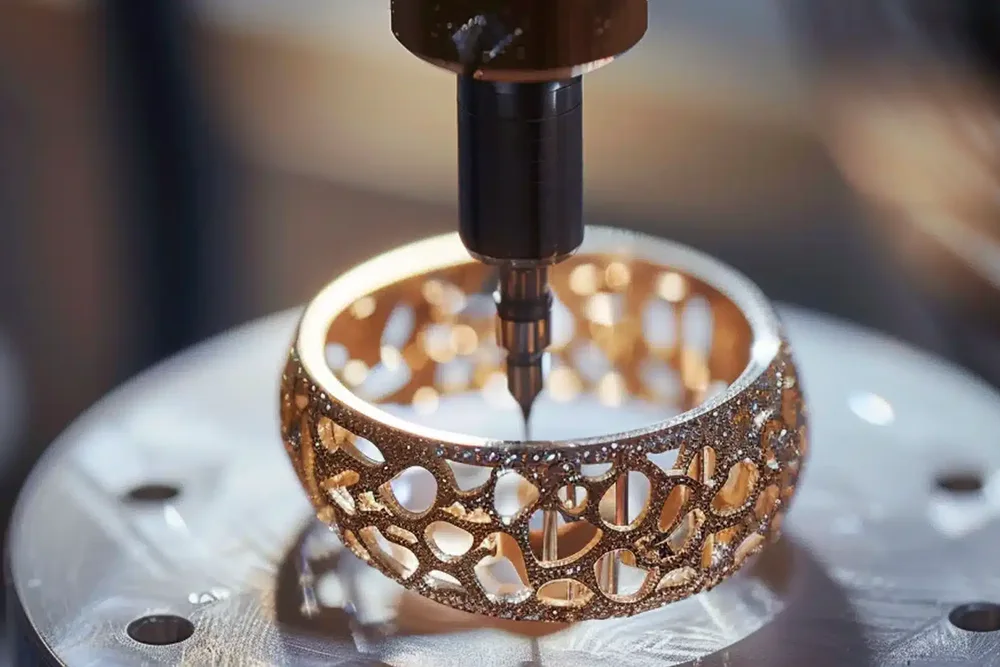
Where Components Become a Finished Piece
A finished piece of jewelry is defined not only by its materials and surface finish, but also by how every component works together. Assembly is the stage at which individual chains, clasps, connectors, pendants, beads, decorative elements, and structural parts begin to function and appear as one complete design.
At Luora, assembly is coordinated around the approved sample, drawings, component requirements, and intended product appearance. Attention is given to orientation, spacing, connection points, movement, symmetry, and the relationship between different materials.
Within an OEM jewelry manufacturing project, this stage translates confirmed specifications into repeatable finished pieces. For ODM collections, assembly considerations can also be reviewed during development so that the proposed design remains practical for sampling and future production.
The objective is not simply to connect separate parts. It is to preserve the design intent while preparing each piece for final quality inspection and packing.
Key Assembly Priorities
- Approved component configuration
- Controlled alignment and orientation
- Functional connection points
- Protection of finished surfaces
- Consistency across the collection
- Readiness for final inspection
Jewelry Assembly Capabilities
Component Review and Matching
Before assembly begins, the required parts are reviewed against the confirmed product configuration. Components are grouped according to design, material, size, color, position, and intended use within the finished piece.
This preparation helps reduce incorrect combinations and supports a more consistent assembly sequence.
Alignment and Orientation
The position of a pendant, decorative symbol, jade component, gemstone element, or connector can influence both the appearance and meaning of a design.
Luora follows the approved reference when arranging direction, spacing, symmetry, and visual balance. This is especially important for jewelry that contains cultural symbols, central decorative elements, or repeated components.
Chains, Clasps and Connection Points
Where a design includes chains, clasps, jump rings, connectors, or other functional parts, the relationship between these elements must be considered as part of the complete construction.
Assembly attention is given to positioning, movement, accessibility, and the way the connection contributes to the appearance and intended use of the piece.
Decorative Component Integration
Jewelry collections may combine metal elements with jade, gemstones, beads, symbolic components, or branded details.
These parts are arranged according to the confirmed design so that their proportions, visual direction, spacing, and material relationships remain coherent within the completed product.
Functional Adjustment
After the main components have been brought together, the piece is reviewed for its intended movement and basic operation.
Depending on the construction, this may include checking the way a clasp opens and closes, how connected parts move, whether decorative elements face the correct direction, and whether the finished piece sits as intended.
Surface Care and Inspection Handoff
Polished and decorative surfaces require careful handling during assembly. Contact between components, tools, work surfaces, and finished areas must be controlled to reduce unnecessary marks or changes in appearance.
After assembly and adjustment, the piece is cleaned as required and prepared for the next quality-control stage.
Assembly for Different Jewelry Constructions
Different jewelry categories require different assembly considerations. Luora evaluates the construction of each project rather than applying one standard arrangement to every product.
Sterling Silver Jewelry
Sterling silver designs may include chains, pendants, clasps, rings, charms, decorative parts, and other metal components.
Assembly focuses on the relationship between these parts, including their orientation, proportions, connection points, movement, and the protection of polished or textured surfaces.
Jade and Gemstone Jewelry
Jade and natural gemstone components can vary in color, pattern, translucency, shape, and visual character.
When these materials are used in a collection, component arrangement and orientation can influence the overall balance of the design. Assembly therefore follows the approved product reference while taking the natural character of the materials into account.
Men’s Symbolic Jewelry
Dragon, Pixiu, Buddhist-inspired, and other culturally symbolic jewelry often depends on the correct direction and positioning of its central elements.
Assembly must respect the intended visual focus, symbolism, spacing, and relationship between decorative components. The goal is to preserve both the physical construction and the meaning expressed by the design.
Premium Gift Collections
Jewelry developed for premium gifts requires consistency not only as an individual product but also as part of a coordinated presentation.
Assembly supports a clean, complete appearance before the piece moves into final inspection, branded presentation, and packaging preparation.
Details That Define Assembly Quality
Small assembly details can have a significant effect on how a finished jewelry piece looks, feels, and functions.
Visual Alignment
Central elements, pendants, charms, beads, and decorative components should follow the intended direction and visual composition of the approved design.
Spacing and Symmetry
Uneven spacing or inconsistent positioning can change the balance of a jewelry piece. Repeated elements are reviewed in relation to the confirmed design rather than treated as isolated parts.
Connection and Movement
Connection points must support the intended structure and movement of the product. Clasps and movable components are reviewed for their expected operation within the assembled piece.
Surface Condition
Polished, textured, jade, gemstone, and decorative surfaces are handled carefully throughout assembly. The assembled piece is reviewed for visible handling marks or other appearance concerns before it moves forward.
Collection Consistency
For designs produced as part of a collection, consistency is evaluated against the approved reference. The goal is to maintain the same product identity while respecting the natural variation of jade and gemstone materials.
These assembly-stage checks do not replace Luora’s final jewelry quality control process. They create a controlled handoff so that final inspection can focus on the complete product, workmanship, appearance, consistency, and presentation requirements.