
Gemstone Sourcing Capability
Gemstone Sourcing for Custom Jewelry Collections
The right gemstone must support more than the appearance of a sample. It must suit the design, setting, target cost, order volume and visual standard expected across the collection.
Luora helps jewelry brands source chalcedony, moissanite and selected natural gemstones for custom jewelry development, coordinating stone requirements with sampling and production planning.
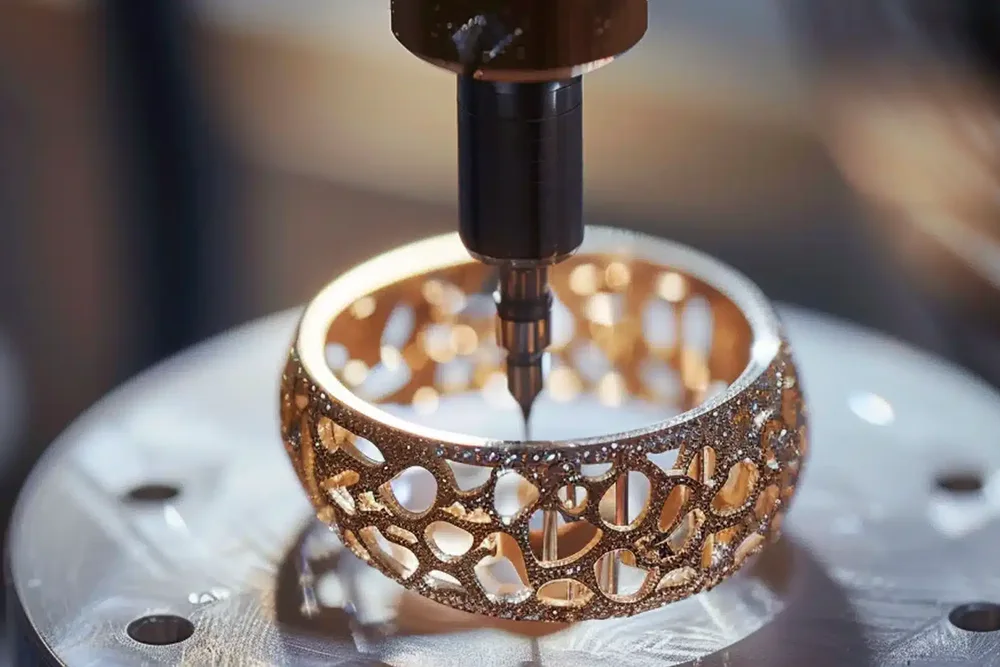
What We Evaluate Before Recommending a Gemstone
A gemstone name alone is not enough to determine whether it is suitable. Each project requires a more specific evaluation of appearance, dimensions, supply feasibility and commercial fit.
-
Stone Type and Visual Direction
The first consideration is the effect the collection needs to create. This may involve brilliance, translucency, saturated color, natural texture or a softer ornamental appearance.
-
Color Range and Character
Color is reviewed as a range rather than a single descriptive word. Tone, saturation and the degree of acceptable variation should reflect the intended product presentation.
-
Cut, Shape and Dimensions
The cut and proportions of a stone influence both its appearance and the setting required to hold it. Diameter, length, width and depth may all affect design feasibility.
-
Transparency and Surface Appearance
Transparency, visible inclusions and surface characteristics contribute to the personality of a gemstone. The acceptable standard depends on the material and the intended design rather than one universal grade.
-
Sourcing Feasibility
The required quantity, sampling needs and possibility of future replenishment must be considered before a stone direction is approved. An option suitable for one prototype may not be practical for a continuing collection.
-
Commercial Fit
Gemstone selection should support the product’s intended market position and overall manufacturing budget. The visually strongest option is not always the most appropriate commercial choice.
These considerations form part of Luora’s broader approach to material selection for jewelry projects.
Gemstone Directions for Custom Collections
Luora reviews gemstone requirements according to the needs of each custom project. Current product directions include chalcedony, moissanite and selected natural gemstones. Other requests are evaluated case by case.
Chalcedony
Chalcedony brings soft color, translucency and a refined ornamental quality to contemporary and culturally inspired jewelry. It can support designs that require a calmer visual character rather than intense brilliance.
Moissanite
Moissanite is suited to designs that call for a bright, faceted appearance. It can be considered for jewelry collections where visual brilliance and a clean stone presentation are central to the concept.
Selected Natural Gemstones
Natural gemstones introduce distinctive color, texture and individual character. They are particularly relevant to collections shaped by symbolism, material meaning or a more organic visual language.
Reference-Led Sourcing
Brands with an existing stone, physical sample or established product specification can use that reference as the starting point for evaluation. A reference helps define the intended direction but does not by itself confirm supply availability or exact reproduction.
Where Gemstone Selection Meets Jewelry Design
A gemstone and its setting must be developed as a compatible system. Even a small change in stone depth, proportions or edge profile can affect the surrounding metal structure.
For this reason, gemstone requirements should be reviewed alongside jewelry design development, particularly before dimensions are finalized for sampling.
The design review may consider:
- Stone seating and positioning
- Prong, bezel or surrounding structure
- Space required beneath the stone
- Metal support and thickness
- Protection for exposed edges
- Front, side and rear appearance
- Balance within the finished piece
- Assembly and finishing requirements
The objective is not simply to fit an available stone into an existing design. It is to create a workable relationship between the gemstone, the setting and the intended appearance of the jewelry.
From Approved Direction to Production Review
An approved gemstone direction must become a usable production reference. This is particularly important for natural materials, where complete visual uniformity may be unrealistic.
Consistency should therefore be based on an agreed range rather than an expectation that every stone will appear identical. Depending on the project, the approval reference may include a physical sample, approved images, written dimensions or requirements for matched pairs and grouped components.
The reference helps answer practical production questions:
- Which differences remain acceptable?
- Which variations would change the intended design?
- Do paired or grouped stones need closer visual matching?
- Which reference should guide a repeat order?
- When does a variation require further confirmation?
Gemstones can then be considered within Luora’s broader jewelry quality control process alongside setting condition, workmanship, assembly and finished presentation.
Future matching cannot be assumed automatically. Availability and variation should be reviewed again when a collection is reordered, especially when the new production takes place after a significant interval.
If a project requires third-party identification, treatment information or other gemstone documentation, that requirement must be raised before approval so availability and responsibility can be confirmed.