
Design-Led Jewelry Development
ODM Jewelry Development for Original Brand Collections
Turn a brand brief, cultural idea, or early-stage concept into a coherent, production-ready jewelry collection. Luora supports concept direction, design refinement, material selection, sampling, and coordinated manufacturing for jewelry brands, designers, retailers, and gift companies.
- Concept Direction
- Collection Development
- Material Guidance
- Sampling Support
- Manufacturing Coordination
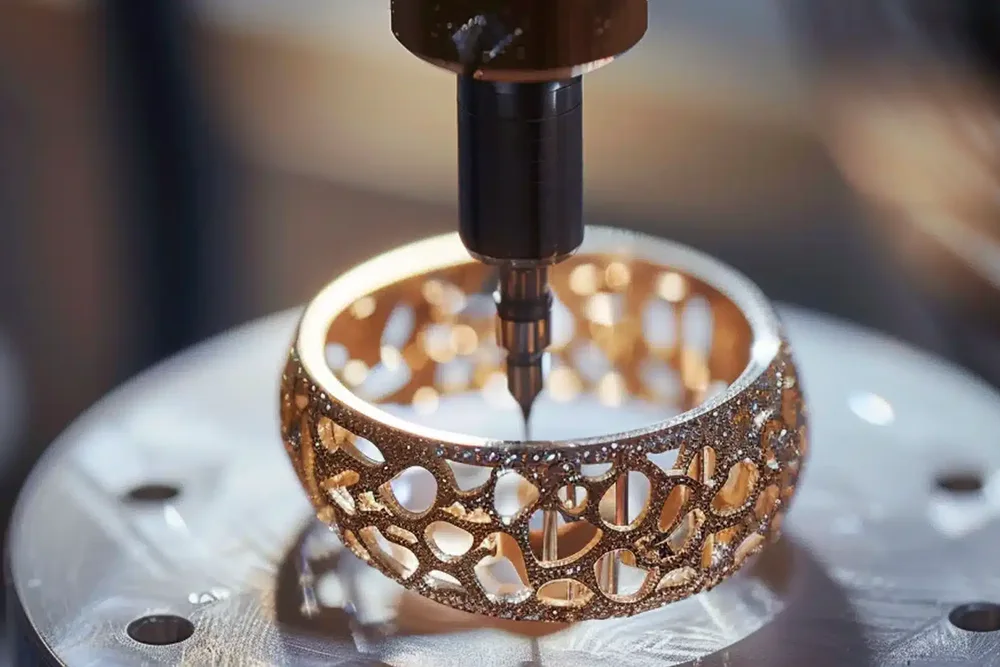
A Structured Path from Brief to Production Readiness
Every collection has different creative, material, and commercial requirements. A structured ODM process helps keep those decisions connected without assuming that every project must follow an identical route.
-
Project Brief and Priorities
The project begins by reviewing the brand, target customer, intended product categories, collection objective, material preferences, market position, and timing considerations.
This stage also identifies uncertainties that may affect later decisions. For example, a visual direction may be clear while the material, product mix, or target price position still needs further consideration.
-
Collection Direction
The initial information is organized into a more focused collection direction. This may include the central theme, visual language, symbolic elements, intended mood, product categories, and the relationship between different pieces.
A clear direction helps prevent the collection from becoming a group of unrelated designs. It also establishes a reference for evaluating new ideas throughout development.
-
Design Refinement
During jewelry design development, early concepts and visual references are translated into more specific product directions. Proportions, decorative details, stone placement, connections, surface character, and the relationship between pieces are considered with both appearance and manufacturability in mind.
The level of refinement required depends on how complete the original concept is and what still needs to be resolved before sampling.
-
Materials and Sample Development
Material and gemstone options are considered in relation to appearance, meaning, construction, availability, intended positioning, and budget. Selected designs can then move into sample development so that important decisions can be evaluated in physical form.
A sample makes it possible to review details that may not be fully understood from a reference image or concept alone.
-
Approval and Production Readiness
Feedback from the sample stage is used to confirm or refine the agreed direction. Before manufacturing preparation, the relevant design details, materials, appearance standards, and sample references should be clearly understood.
The approved direction then provides a more reliable foundation for production planning and quality review.
Designing a Collection Rather Than a Group of Separate Pieces
A strong jewelry collection needs recognizable relationships between its individual products. Those relationships may come from a repeated motif, a shared material, a consistent surface treatment, a common symbolic idea, or a deliberate approach to proportion and scale.
Collection development also requires commercial judgment. Not every piece needs to carry the same visual weight. A collection may include one or two distinctive hero products supported by simpler pieces that are easier to combine, wear, merchandise, or extend in the future.
The development process should consider:
- Which design elements make the collection recognizable
- How motifs can repeat without making every product identical
- Whether materials and finishes feel consistent across the range
- How statement pieces relate to more accessible supporting products
- Whether the intended meaning remains clear without overwhelming wearability
- How the collection may be extended in later releases
- Whether the designs can be produced with appropriate consistency
Luora’s modern Oriental perspective can be especially relevant when a brand wants jewelry to communicate symbolism, cultural inspiration, personal meaning, or a sense of connection. These elements should be integrated into the design logic rather than added as superficial decoration.
Sterling Silver Collections
925 sterling silver offers a versatile foundation for charms, beads, pendants, bracelets, necklace elements, and coordinated accessories. A silver collection can be unified through recurring forms, surface details, gemstone accents, or symbolic motifs while allowing different pieces to serve distinct roles.
Jade and Oriental-Inspired Jewelry
Jade jewelry development requires careful attention to the relationship between material character, cultural meaning, and modern form. The purpose is not simply to place jade into a standard setting, but to develop a design direction in which the material contributes to the identity of the collection.
Gemstone and Moissanite Collections
Gemstones, chalcedony, and moissanite can introduce color, contrast, light, and visual focus. Their role should be evaluated across the collection so that stone choices support the intended positioning rather than making individual products feel disconnected.
Men’s Symbolic Jewelry
Men’s symbolic jewelry may draw on ideas such as protection, strength, fortune, spiritual meaning, or Eastern cultural symbolism. Dragon, Pixiu, Buddhist-inspired, and other meaningful elements need to be translated with attention to scale, wearability, construction, and the expectations of the intended customer.
Premium Gift Collections
Premium jewelry gifts need to communicate meaning before, during, and after presentation. Product design, symbolism, materials, finish, and packaging direction should support a consistent gifting experience for brand programs, corporate buyers, and meaningful commemorative collections.
Material Decisions Are Part of Product Development
Material selection should not be treated as a purchasing decision made after the design is complete. The material affects how a piece looks, how it can be constructed, how it feels when worn, what it communicates, and where it fits within the intended market.
For 925 sterling silver jewelry, the design direction may need to account for form, scale, surface character, decorative elements, gemstone use, and the relationship between visual refinement and practical construction.
Jade and natural gemstones introduce additional considerations. Color, pattern, visual character, size, availability, and compatibility with the intended design can influence both individual products and consistency across a collection. Moissanite, chalcedony, and other decorative materials may support different aesthetic and positioning requirements.
Material selection for custom jewelry should consider several connected questions:
Appearance and Meaning
Does the material support the intended visual direction, symbolism, and emotional character of the collection?
Design and Construction
Is the material suitable for the proposed form, setting, connection method, decorative detail, and intended use?
Durability and Wearability
Does the material choice make sense for how the product is expected to be worn, handled, and maintained?
Availability and Consistency
Can the selected material direction support the number of pieces, visual consistency, and future production needs of the project?
Positioning and Budget
Does the material align with the brand’s target customer, expected product positioning, and commercial requirements?
The strongest material decision is not necessarily the most expensive option. It is the one that supports the design, meaning, construction, and intended market of the collection.
Using Samples to Resolve Decisions Before Production
A jewelry sample is not only a presentation piece. It is a practical reference for evaluating whether the approved design direction works in physical form.
Depending on the product, sample review may consider:
- Overall scale and proportions
- Wearing comfort and practical use
- The balance of decorative details
- Stone placement and visual relationships
- Surface character, finish, and color
- Connections between components
- Assembly and structural considerations
- Consistency with the intended collection direction
Feedback should be specific enough to distinguish essential changes from personal preferences or optional refinements. This helps the next review focus on decisions that affect appearance, function, manufacturability, or the approved brand direction.
The number and type of sample adjustments will depend on the design, materials, complexity, and feedback provided. For that reason, revision requirements should be evaluated within the context of the actual project rather than treated as a fixed rule.
Preparing the Approved Direction for Manufacturing
Before a project moves forward, the relevant design details, material direction, approved sample reference, appearance expectations, and other important requirements should be clearly understood.
This preparation may include:
- Confirmed design and dimensional details
- Agreed material and gemstone direction
- Approved surface and visual references
- Important assembly expectations
- Identified quality-review points
- Packaging or presentation requirements relevant to the product
- Production and order information required for planning
Once these elements are aligned, the approved direction can move into the jewelry production process with a clearer shared reference.
Production planning will still depend on the complexity of the collection, material availability, required sample changes, order requirements, and other project-specific factors. These considerations should be reviewed before schedules or commercial commitments are confirmed.